UK Gambling Commission Prepares Affordability Checks Decision Amid Industry Pushback

The UK Gambling Commission plans to approve new financial risk assessments during its board meeting scheduled on or around May 21 2026 even as some previous backers urge a delay in implementation and the British Horseracing Authority warns of substantial revenue impacts across the sector.
These checks originated as measures targeting high-risk products such as online slots yet observers note their potential extension into lower-risk areas like horse racing betting where data from the regulator itself identifies reduced levels of harm compared with other gambling formats.
Core Elements of the Proposed Assessments
Financial risk assessments rely on spending thresholds that trigger reviews without differentiating between betting activities and gaming products according to reports covering the upcoming vote; this structure raises questions about how thresholds apply across varied customer behaviors since racing bettors often engage in patterns distinct from those seen in slot play. The Guardian article details how such design choices could affect operators who have long operated under rules that treated racing as a separate category with its own risk profile.
Data released by the Gambling Commission shows racing betting registers among the lower-risk activities in its monitoring statistics and this evidence forms part of the argument presented by industry groups seeking adjustments before final approval. One might notice that the checks aim to identify customers who may face financial strain yet the absence of activity-specific tailoring leaves room for uniform application across products that carry different harm indicators.
Revenue Projections and Market Shift Concerns
The British Horseracing Authority estimates potential annual revenue losses reaching £250 million if the checks proceed without modification since bettors could migrate toward unregulated markets that operate outside current oversight frameworks. This projection ties directly to the timing of the May 2026 board decision which would set the framework for rollout across licensed operators. Figures from the regulator indicate that racing represents a meaningful portion of overall betting turnover and any contraction in this segment carries downstream effects for tracks trainers and related employment.
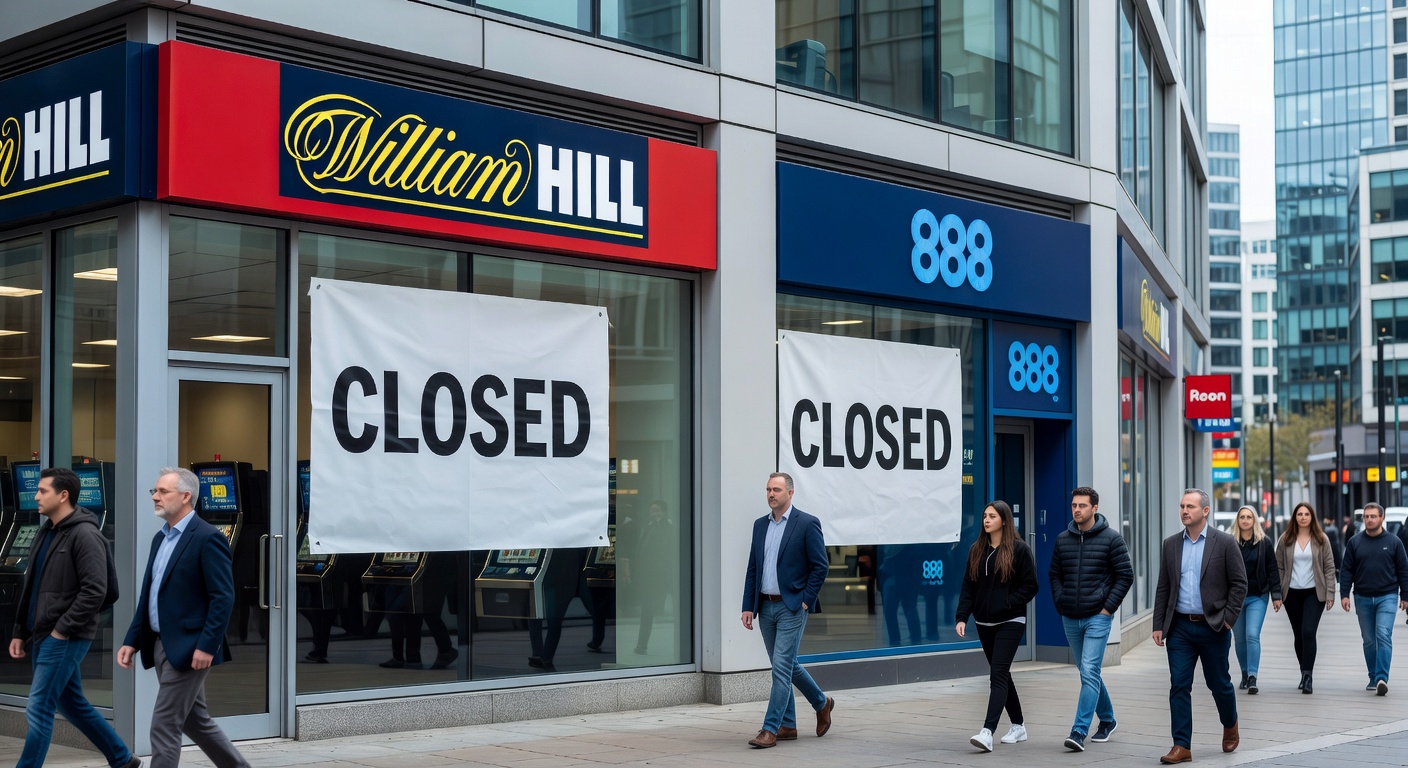
Those who have examined similar regulatory shifts in other jurisdictions point out that abrupt changes in affordability protocols sometimes accelerate movement to offshore platforms where consumer protections remain minimal. The current proposal includes pilot findings that the Commission has referenced in public updates yet the board meeting in May will determine whether further refinements occur before wider enforcement.
Voices Calling for Reconsideration
Campaigner James Noyes and former minister Stuart Andrew MP both previously supported elements of the affordability framework but now advocate pausing the process to allow additional review of how checks interact with different betting types. Their position appears in coverage of the story and reflects concerns that the original intent focused on slots may not translate cleanly when applied to racing markets where stake sizes and session patterns differ markedly.
According to the same reporting the pair highlight design limitations that rely on fixed spending triggers without incorporating product-specific risk data already held by the Commission. This development occurs as the regulator prepares its board session in late May 2026 and industry representatives continue to submit evidence on potential economic consequences.
Regulatory Timeline and Data Context
The Gambling Commission has published pilot analysis on its site covering financial risk assessments and this material informs ongoing discussions ahead of the scheduled vote. Observers note that the May meeting represents a key milestone where commissioners will weigh teh collected evidence against implementation timelines that could affect multiple licence holders simultaneously.
Statistics maintained by the regulator continue to position horse racing betting as lower risk relative to other online offerings and this classification underpins arguments that uniform thresholds may overlook established distinctions. The board decision will determine whether those distinctions receive explicit consideration in final rules or whether the checks advance in their current form.
Conclusion
The upcoming board meeting on or around May 21 2026 will clarify the scope and timing of financial risk assessments as the UK Gambling Commission moves toward approval despite requests for further pause from some earlier proponents. Revenue estimates from the British Horseracing Authority and existing Commission data on risk levels remain central to the debate while design questions about spending thresholds continue to surface in coverage of the single news development. Stakeholders across licensed and unlicensed markets watch the outcome for indications of how affordability measures will apply in practice once implemented.