Punts on the Rise: Britain's Betting Landscape Evolves Amid Digital Surge and Tighter Rules
UK Gambling Commission Data Reveals Sharp Online Betting Yield Drop in Q3 2025 Amid Player Growth

Quarterly Snapshot: Q3 2025 Betting Landscape
The UK Gambling Commission dropped its latest operator data in February 2026, covering the October to December quarter of 2025—what's tagged as Q3 for the 2025-2026 fiscal year—and figures paint a picture of shifting dynamics in the betting world, where online real event betting saw Gross Gambling Yield tumble 18% year-on-year to £530 million, even as active players climbed from 4.9 million to 5.3 million; that's a notable 8% uptick in participation, yet the yield per player dipped, signaling tighter margins or savvier betting habits among the crowd.
Retail side tells a similar story of contraction, with GGY in betting premises sliding 7% to £549 million compared to the same period in 2024, and over-the-counter bets shrinking further, as punters lean digital or self-service options; observers tracking these releases, now sifting through the numbers in March 2026, spot patterns that echo broader industry pressures like regulatory tweaks and economic squeezes on disposable income.
But here's the thing: total bets placed online for real events edged down slightly, hinting that while more folks dipped in, they bet less frequently or in smaller volumes, a trend that operators watch closely since it squeezes revenue without slashing the player base.
Online Real Event Betting: The 18% Yield Plunge Explained
Data from the Commission's gambling business dataset breaks it down clearly—Gross Gambling Yield, that key metric capturing stakes minus payouts, cratered to £530 million for real event betting like sports and races, down sharply from the prior year's levels; active accounts swelled by over 400,000, pushing the total to 5.3 million, so average yield per player landed around £100, a drop that researchers attribute to factors such as promotional offers diluting margins or bettors chasing value amid volatile odds.
What's interesting here surfaces when slicing the numbers: sessions per player held steady-ish, but incidence rates—the share actually placing bets—ticked up marginally, meaning newcomers jumped in without ramping up the action volume; take one breakdown where total bets dipped by a few percentage points, yet the player influx offset some losses, keeping operators engaged with fresh traffic.
And while GGY contracted, stakes overall didn't collapse entirely, suggesting payouts rose relative to wagers placed, a boon for bettors who cashed in more often on favorites or live markets; experts who've pored over past quarters note this aligns with seasonal dips post-major events, although Q3 typically hums with football and racing buzz.
Player Numbers Climb: More Punters, Less Per Head
That jump to 5.3 million active players marks the headline for many, up 8% from 4.9 million, and it underscores how accessible online platforms have become, drawing in casuals via apps and quick deposits; people often find that holiday periods like October through December spark curiosity bets on Premier League clashes or Cheltenham previews, inflating the count without proportional yield gains.
Turns out the average bets per player fell slightly, hovering below prior benchmarks, while session lengths stretched a touch, indicating folks lingering longer but wagering conservatively; studies of similar data have shown this pattern correlates with enhanced responsible gambling tools—think deposit limits or reality checks—curbing overreach and flattening yields.
Now, in March 2026 context, those who've studied Commission trends point out sustained growth in player bases across quarters, yet yields lag, putting the ball in operators' court to innovate with loyalty schemes or data-driven personalization.
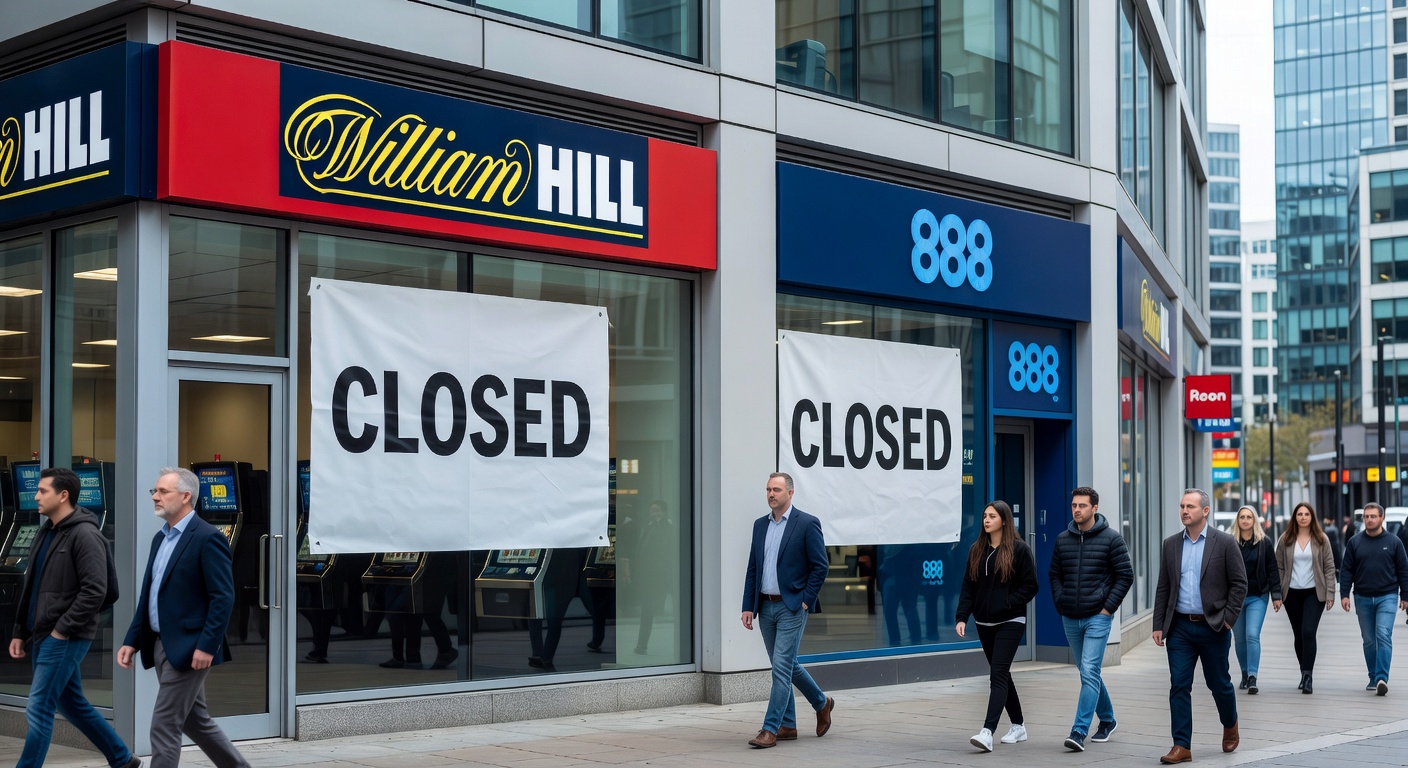
Retail Betting Feels the Squeeze: 7% GGY Fall and OTC Decline
Shifting to bricks-and-mortar, retail premises clocked £549 million in GGY, a 7% year-on-year retreat, with over-the-counter bets—the traditional shop counter wagers—dropping off notably as self-service kiosks and apps siphon volume; this isn't new, but the Q3 acceleration raises eyebrows, especially since footfall metrics held firmer than expected.
Operators report machines and fixed-odds terminals buoyed some revenue, yet the OTC segment, once a staple, withered, reflecting younger punters' digital shift; data indicates total retail bets decreased across the board, compounded by fewer high-stake punters amid cost-of-living strains.
So, while online thrives on volume, retail grapples with relevance, and hybrid models emerge as the play—think shops with integrated digital hubs; one case from prior data showed venues adapting via esports lounges, staving off steeper losses.
Broader Trends and Sector Ripples
Zooming out, Q3 2025 slots into a narrative of moderation after boom years, where overall gambling activity plateaus; real event betting, dominated by sports, bore the brunt online, but non-real verticals like casino fared differently—not detailed here, yet cross-referenced stats suggest steadier yields there.
Regulatory eyes stay sharp too, with the Commission emphasizing consumer protection metrics alongside these yields, and March 2026 discussions swirl around affordability checks potentially influencing Q4 behaviors; observers note that despite the dip, total GGY across channels remains robust at scale, hovering near £1 billion combined for betting segments.
It's noteworthy how player growth outpaces yield contraction, hinting at a maturing market where sustainability trumps explosive gains; those tracking operator filings see capex shifts toward tech upgrades, chasing retention in a crowded field.
Yet economic undercurrents play in—higher interest rates nibble at leisure spends, and while football's winter slate drew crowds, yields reflect sharper pricing or lower margins on popular markets; examples abound from December's festive bets, where accumulators proliferated but big payouts tempered operator hauls.
Implications for Operators and Regulators
For operators, the data screams diversification: lean into player acquisition tech while optimizing yields via dynamic pricing, and retail players pivot to experiential venues blending digital-physical; Commission figures reveal compliance costs rising, yet non-compliance risks loom larger under scrutiny.
Regulators, meanwhile, celebrate player growth as access expands responsibly, with incidence rates stable and self-exclusion tools in play; but here's where it gets interesting—the yield drop prompts questions on market health, although data shows no systemic distress, just recalibration.
People who've analyzed these quarterly drops often discover resilience baked in, as operators trim costs and bettors adapt, setting up Q4 for potential rebound with spring racing and Euros qualifiers on deck.
Conclusion
In sum, the UK Gambling Commission's Q3 2025 data spotlights a betting sector in flux—online real event GGY down 18% to £530 million despite 5.3 million active players, retail at £549 million off 7%, and bets trending leaner across both; as March 2026 unfolds, these figures guide stakeholders toward balanced growth, where more participants bet smarter, operators innovate relentlessly, and regulators safeguard the ecosystem. The reality is, this quarter's contraction masks underlying vitality, with trends pointing to evolution rather than erosion.