Punts on the Rise: Britain's Betting Scene Heats Up with Fresh Twists
UK Gambling Stocks Surge on US Bipartisan Bill Cracking Down on Prediction Markets' Sports Betting

The Spark That Lit the Rally
On March 23, 2026, shares of major UK-listed gambling companies shot up sharply on the London Stock Exchange, triggered directly by a bipartisan bill introduced in the US Senate by Senators Adam Schiff and John Curtis; the legislation targets prediction market platforms regulated by the Commodity Futures Trading Commission (CFTC), aiming to bar them from offering sports betting contracts on sites like Kalshi and Polymarket. Flutter Entertainment, the parent of FanDuel, climbed 7.6% in a single session, while Entain, which oversees Ladbrokes and holds a stake in BetMGM, rose 6.4%, reflecting investor bets that traditional sportsbooks stand to gain ground lost to these upstart platforms. Data from the exchange shows these moves pushed sector indices higher too, as traders weighed the bill's potential to reshape competition in the lucrative US sports betting arena.
What's interesting here lies in the timing; with sports seasons ramping up in early spring—think March Madness wrapping up alongside NBA and MLB ramps—investors spotted an edge for licensed operators who already navigate state-by-state regulations, unlike prediction markets operating under federal CFTC oversight without those gambling licenses. Observers note how Kalshi alone reported sports betting contracts making up roughly 90% of its trading volume, a figure that underscores the threat these platforms pose to established players who pour billions into licensing, marketing, and compliance.
Unpacking the Legislation's Core Aim
Senators Schiff, a California Democrat known for financial oversight pushes, and Curtis, a Utah Republican with tech-friendly credentials, framed their bill as a safeguard for the integrity of sports betting; it specifically prohibits CFTC-regulated entities from listing event contracts tied to sports outcomes, channeling such activity back to state-licensed sportsbooks that fund leagues through partnerships and taxes. According to details released that day, the measure closes what lawmakers called a regulatory loophole, since prediction markets trade binary yes/no outcomes on events—like "Will Team X win?"—in ways that mirror betting odds but evade gambling laws by classifying trades as derivatives.
And while the bill's text hasn't passed yet, its bipartisan backing signals momentum; experts who've tracked similar reforms point out how past CFTC actions, such as event contract approvals in 2024, opened the floodgates for Kalshi's sports push, only now facing pushback from an industry lobbying hard for parity. Polymarket, popular for election betting in 2024, has dipped into sports too, but figures reveal Kalshi leads with volumes dwarfing rivals, hitting peaks during high-profile games where traditional apps see mirrored spikes.
Stock Movements in Sharp Focus
Flutter's 7.6% jump wasn't isolated; the Irish-domiciled giant, listed on both London and New York exchanges, saw its market cap swell by hundreds of millions in hours, as analysts crunched the numbers on FanDuel's dominance in states like New York and New Jersey where prediction markets nibble at edges. Entain followed close behind at 6.4%, buoyed by BetMGM's US footprint— a joint venture with MGM Resorts that commands top market share in several states—while Ladbrokes benefits from UK stability but eyes transatlantic relief.
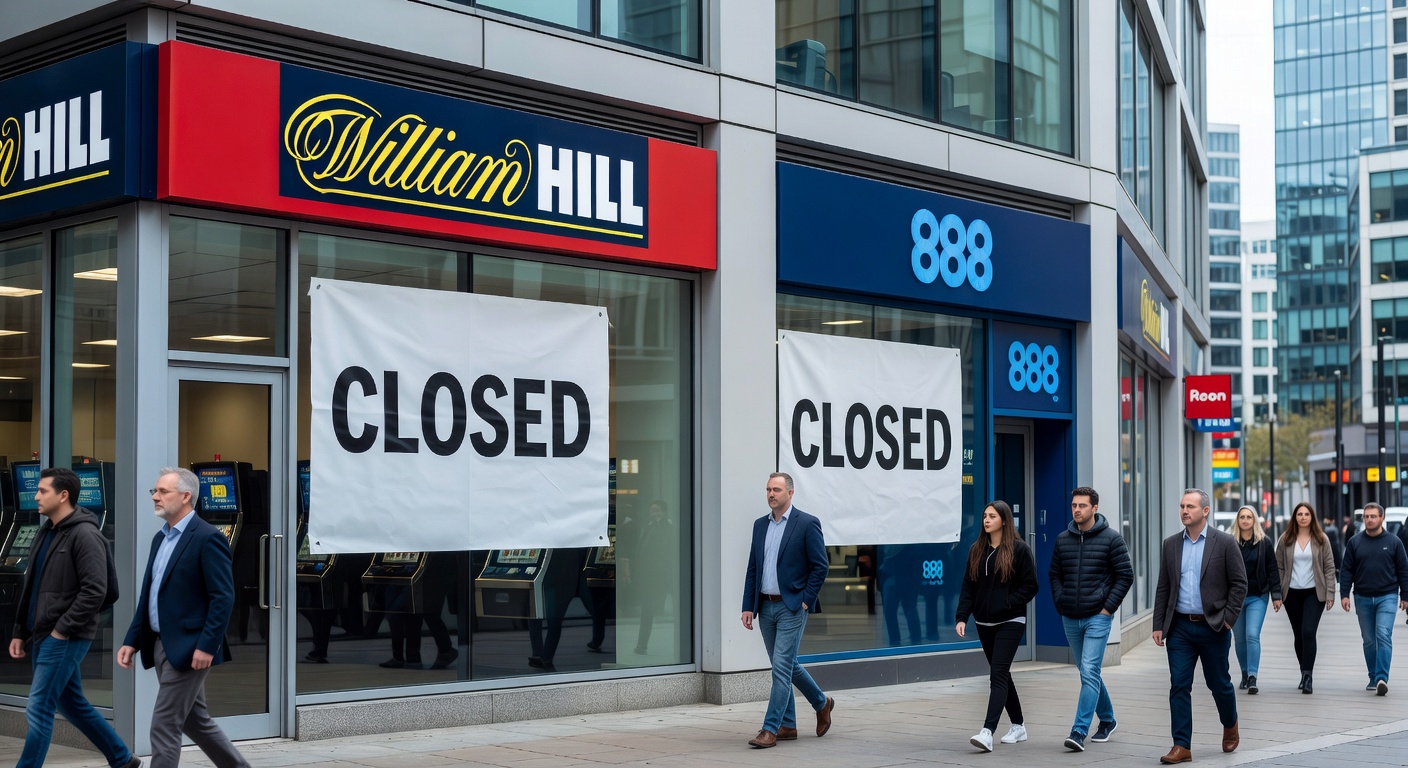
But here's the thing: these surges echoed across the FTSE, with smaller peers like 888 Holdings and Playtech ticking up 3-5%, hinting at broader sector relief; trading data indicates volume doubled for Flutter that day, with institutional buyers piling in before any Senate committee vote. Those who've studied market reactions to regulatory news often discover patterns like this, where uncertainty flips to upside when bills favor incumbents over disruptors.
Prediction Markets Versus Traditional Powerhouses
Kalshi and Polymarket operate in a gray zone; approved by the CFTC for "event contracts," they've exploded since 2024, with Kalshi's sports category—covering NFL, NBA, even niche props—accounting for that staggering 90% of activity, per platform disclosures that highlight daily volumes in the millions during playoffs. Traditional operators like FanDuel and BetMGM, meanwhile, hold state licenses in over 30 jurisdictions, paying hefty fees and sharing revenue with sports leagues, a model the bill seeks to reinforce by pushing bettors back to apps with geofencing and age verification baked in.
Turns out, this clash isn't new; back in late 2025, CFTC fines on unregistered platforms set precedents, yet Kalshi's compliance let it thrive, drawing users with lower fees and crypto integrations on Polymarket's side. Researchers examining trade data find prediction markets capture casual bettors during live events, siphoning what would've been handle for DraftKings or Caesars, whose lobbying groups like the American Gaming Association quietly cheered the bill's debut.
One case that stands out involves the 2024 election cycle, where Polymarket's volumes topped $1 billion on political outcomes, spilling into sports pilots that irked incumbents; now, with Schiff-Curtis targeting the CFTC's turf, platforms face contract delistings if passed, handing traditional books the ball in their court.
Spotlight on Flutter and Entain's Positions
Flutter Entertainment dominates US sports betting with FanDuel holding 40% market share per recent Eilers & Krejcik Gaming reports; its London listing benefits from ADR cross-trades, and that 7.6% pop added over £1 billion to valuation, reflecting bets on regulatory moats widening. Entain, restructured post-2023 activist pressure, leans on BetMGM for 40% of revenue—US growth hit 25% year-over-year in Q4 2025 filings—making the 6.4% gain a timely boost amid Ladbrokes' steady UK shop traffic.
So, while both firms reported robust 2025 handles—Flutter at $20 billion quarterly, Entain nearing $15 billion—the prediction market incursion, though small at under 5% of total US volume, pinches margins on high-volume events like Super Bowls or NBA Finals. Investors, eyeing earnings calls, anticipate guidance upgrades if the bill advances, since state taxes on sportsbooks fund $4 billion annually to treasuries, a revenue stream prediction markets skip.
People who've followed these stocks know volatility ties to regs; Entain's 2024 BetMGM ramp-up weathered odds caps in Ohio, much like this bill could sideline rivals without firing a shot.
Ripples Through the Global Betting Landscape
Although the bill targets US markets, UK listings amplify reactions due to heavy Yankee exposure—Flutter derives 50% revenue stateside, Entain 35%—and London's liquidity draws global funds chasing gambling plays. Data from Investing.com captures the March 23 frenzy, with pre-market whispers building post-Schiff presser; by close, the STOXX Europe Gambling Index mirrored gains, underscoring interconnectedness.
Yet, challenges linger; prediction markets argue CFTC jurisdiction fosters innovation, citing thin margins on sports trades that barely dent incumbents, but lawmakers counter with consumer protection angles, noting unlicensed edges erode trust. Observers tracking filings see Kalshi's Q1 2026 volume reports as a litmus test, potentially fueling Senate hearings where traditional operators testify on lost handle.
It's noteworthy how this plays amid 2026's sports calendar—Euro soccer qualifiers, MLB openers—where volumes swell, giving the bill urgency as platforms gear for summer Olympics props.
Conclusion
The March 23, 2026, introduction of the Schiff-Curtis bill marked a pivotal moment for UK gambling stocks, propelling Flutter and Entain higher on prospects of reining in prediction markets' sports betting surge; with Kalshi's 90% sports dominance in the crosshairs, traditional operators eye reclaimed turf, state revenues, and steadier competition. As the legislation winds through committees, market watchers anticipate volatility, but early trades signal confidence in a landscape tilting back toward licensed giants. Figures from that day's rally—7.6% for Flutter, 6.4% for Entain—paint a clear picture of stakes involved, while broader data underscores why regulators and incumbents align against the CFTC's event contract experiment.