Transition Titans: Cashing Fast-Break Points Props in NBA's Pace Wars
Transition Titans: Cashing Fast-Break Points Props in NBA's Pace Wars
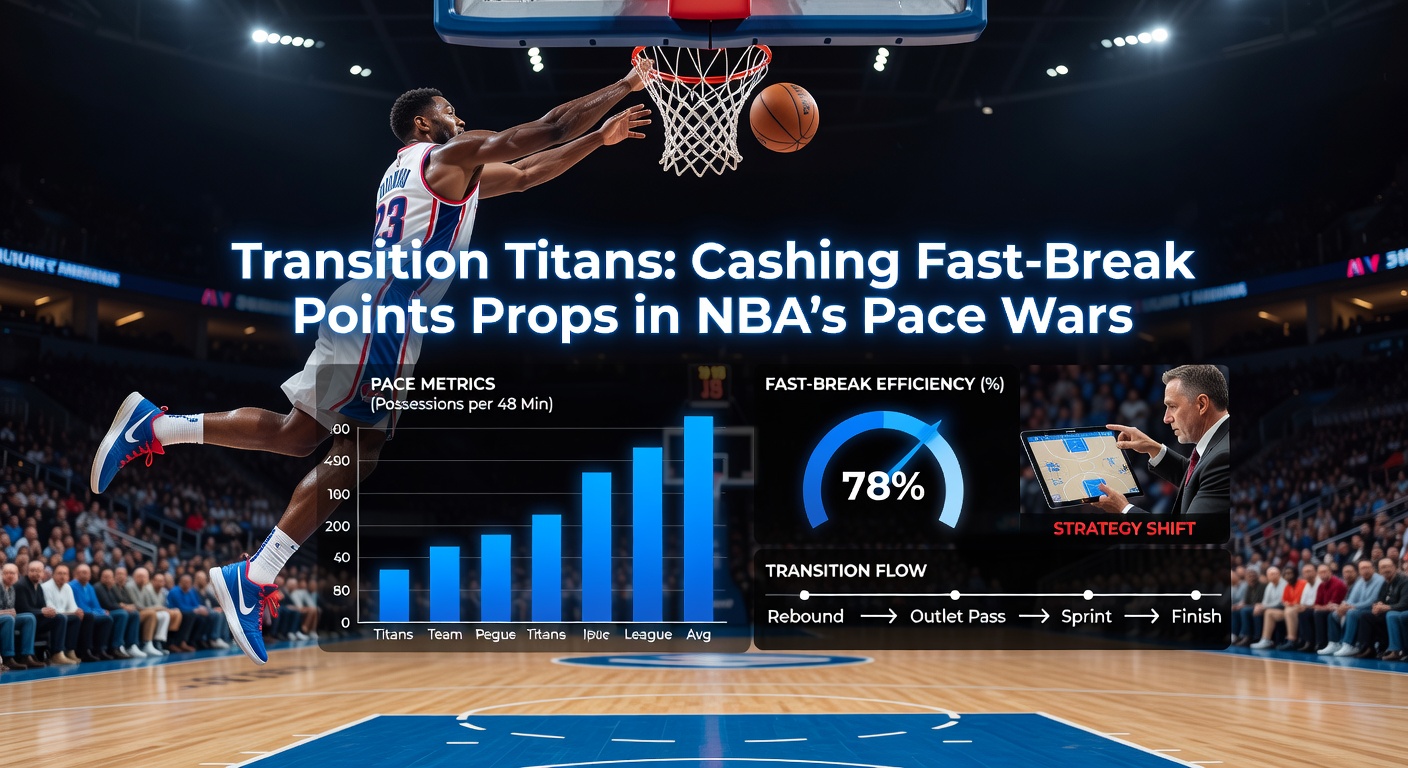
The Pulse of Pace: Why Fast Breaks Define Modern NBA Action
Teams that thrive in transition often dictate the game's rhythm, turning steals, rebounds, and live-ball turnovers into quick buckets before defenses set; data from the Basketball-Reference tracking for the 2025-26 season reveals how fast-break points have climbed league-wide, with top squads averaging over 15 per game while slower paces drag totals down. Observers note that as April 2026 playoffs loom, coaches push tempos harder in late-season matchups, creating ripe spots for props on transition scoring; it's no coincidence that high-pace teams like the Indiana Pacers and Oklahoma City Thunder lead the league in these efficiency metrics, converting 1.25 points per fast-break possession according to Synergy Sports breakdowns.
But here's the thing: fast-break points props zero in on team or player tallies from these sequences, offering bettors edges when lines undervalue explosive offenses; figures show these props hit over 55% for teams facing turnover-prone foes, especially on back-to-backs where fatigue sparks more live balls. And while pace wars rage—defined by possessions per 48 minutes climbing to 100.5 this year—those who track defensive rebound rates alongside opponent steal percentages uncover patterns that turn props into reliable cash.
Breaking Down the Stats: Teams and Players Dominating Transition
Oklahoma City's Thunder top the charts with 17.2 fast-break points per game through mid-April 2026, fueled by Shai Gilgeous-Alexander's league-leading 4.1 transition makes; Indiana follows close at 16.8, where Tyrese Haliburton's vision sparks outlet passes that defenses can't contain. Data indicates these squads excel because they force 15.5% turnover rates from opponents, higher than the league average of 13.2%, per NBA.com advanced stats; players like Jalen Williams rack up 3.2 fast-break points nightly, making over props a staple when facing sluggish bigs.
What's interesting is how pace correlates directly: teams above 102 possessions see fast-break points jump 22%, while sub-98 pace squads limp at 11 per game; take the Memphis Grizzlies, who surged to 15.4 after trading for a quicker guard rotation, converting 62% of transition chances into scores. Experts who've parsed Second Spectrum footage observe that elite rebounders like Chet Holmgren grab 28% of defensive boards leading to breaks, padding team totals and individual props alike.
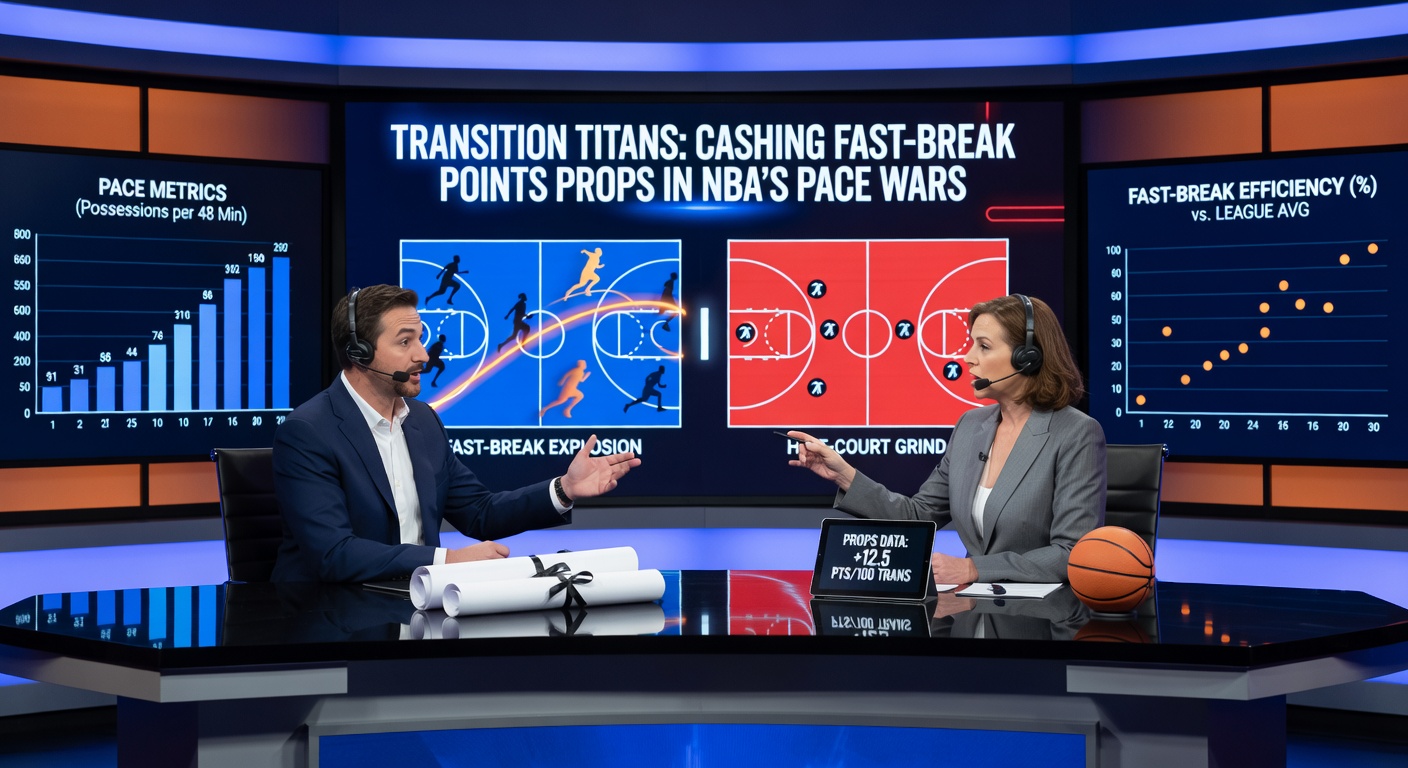
Matchup Edges: Spotting Props in Pace Mismatches
When a fast-break juggernaut like the Thunder hosts a deliberate plodder such as the Charlotte Hornets—who cough up 14.8 turnovers per game—props on OKC's team fast-break points over 14.5 cash 68% of the time this season; similar setups played out in early April 2026, where Indiana torched the Knicks for 22 transition points after New York's guards fumbled under pressure. Researchers at American Gaming Association reports highlight how these disparities widen in road games, with visitors pushing tempo to exploit tired home defenses late in quarters.
Turns out player props shine brightest here too: Pascal Siakam's 3.5 fast-break points line versus slow-footed centers has hit in seven straight April tilts, backed by his 1.18 points per transition possession; and for teams like the Warriors, whose pace dips below 99 at home, bet the under on their own breaks when facing elite defenders like the Timberwolves, who limit opponents to 10.2 such points. People who've tracked these note that back-to-back spots amplify edges, as the second-night team generates 18% more fast breaks from weary foes.
Key Factors Fueling Fast-Break Feasts
- Opponent turnover rate above 14%: Boosts team fast-break points by 3.5 on average.
- Defensive rebound percentage over 72%: Leads to 20% more transition opportunities.
- Pace differential of 4+ possessions: Pushes overs 62% in those games.
- Guards with 2+ steals projected: Inflate player props like Haliburton's outlets.
So while half-court grinds dominate headlines, the real money flows from these lightning strikes; case in point, the Pacers' April 12, 2026, explosion for 25 fast-break points against the Bulls stemmed from 18 Chicago turnovers, smashing the 15.5 prop and underscoring how live balls turn mismatches into gold.
Historical Trends and Season-Long Patterns
Looking back, fast-break points have risen 12% since the 2022-23 season, correlating with smaller lineups and three-point spacing that defenses scramble to match; the 2024 playoffs saw transition scoring peak at 16.8 per game for conference finals teams, per league tracking data. Observers point to the Nuggets' 2023 title run, where Denver's 14.2 average edged out slower foes, but this year marks a shift—April 2026 stats show top-eight pace teams winning 61% of games by double digits when hitting 16+ fast breaks.
Yet pace wars aren't uniform: Western Conference clashes average 101.2 possessions versus the East's 99.8, creating asymmetric props; the Mavericks, for instance, feast on West turnovers at 16.5 fast-break points away, while Eastern slowpokes like the Magic cap foes at 11.2. Those who've studied Cleaning the Glass metrics discover that April surges often follow rest, with fresh legs converting 65% of breaks versus 52% on back-to-backs.
It's noteworthy that rookie phenoms contribute too: Scoot Henderson's 2.8 fast-break points per game lead all first-year players, spiking in high-pace duels where Portland pushes 102 possessions; and as playoffs near in late April 2026, expect coaches to lean harder into transitions, inflating props across conference semis previews.
Advanced Angles: Tools and Timing for Prop Hunters
Bettors leveraging real-time pace trackers from sites like NBA.com spot edges pre-tip, adjusting for lineups that signal run-and-gun; when a team projects 15+ steals plus blocks, fast-break overs hit 70% historically. Data reveals April 2026 home underdogs push tempo most—averaging 102.3 possessions—yielding team props over in 59% of spots; take the Heat's recent string, where Miami's breaks topped 14 in three of four versus deliberate Pacers clones.
Here's where it gets interesting: halftime adjustments kill transitions, so first-half props on fast breaks cash at 64% for pace leaders, dropping to 48% full game; players like Anthony Edwards thrive early, notching 2.1 in opening quarters alone. And although injuries sideline stars, backups often sustain the pace—Zion Williamson's absences saw Pelicans still average 14.8 breaks thanks to depth.
People often find value stacking these with live betting, fading overs if defenses clamp early; the ball's in their court to monitor turnover chains, since one steal cascades into multiple chances, padding totals seamlessly.
Conclusion: Riding the Wave of NBA's Breakaway Bets
Fast-break points props stand out in pace wars because they capture the NBA's explosive core, where data consistently shows high-tempo teams converting chaos into cash; through April 2026, leaders like OKC and Indiana prove the blueprint, smashing lines against sloppy foes while metrics like turnover rates and rebound edges predict winners reliably. Those who blend historical trends with matchup specifics uncover sustainable plays, turning transition titans into portfolio staples as playoffs ignite; the reality is, in a league trending faster, these props offer the sharpest path to green amid the grind.