UK Gambling Commission Unveils Q4 2025 Market Data: Online GGY Dips 2% to £1.5 Billion as Betting Shifts Emerge
UK Gambling Commission Unveils Q4 2025 Market Data: Online GGY Dips 2% to £1.5 Billion as Betting Shifts Emerge

The Latest Snapshot from the Gambling Commission
Operators submitted their data to the UK Gambling Commission, painting a clear picture of the market through December 2025; total online Gross Gambling Yield (GGY) for the October-to-December period landed at £1.5 billion, marking a 2% drop from the previous year, while offline segments showed their own declines and online slots bucked the trend with gains. Figures reveal how real event betting took the biggest hit, and as observers pore over these stats in March 2026, patterns in player behavior and product performance come into sharper focus.
GGY, that key measure of operator profits after payouts, tells the story here; it dipped across several areas, yet certain verticals held firm or even grew, signaling shifts in where punters put their money. Data from the commission's Market overview - operator data to December 2025 highlights these movements, based on returns from licensed operators, and breaks down the numbers by product and channel.
Online Real Event Betting Feels the Squeeze
Real event betting GGY tumbled 18% year-on-year to £530 million, driving much of the overall online decline; sports like football and horse racing, staples in this category, saw reduced yields as fewer bets or lower stakes played out, although exact reasons remain tied to seasonal factors and operator data specifics. But here's the thing: this segment, often the heartbeat of online gambling, showed vulnerability, with the commission's figures underscoring how it pulled the total online GGY down despite stability elsewhere.
Take one breakdown researchers noted: active accounts held steady in spots, but the yield per bet evidently shrank, perhaps from sharper odds or cautious wagering; experts who've tracked prior quarters see this as part of a broader cooling after high-event periods, yet the 18% plunge stands out starkly against milder shifts in other areas. And while total online GGY settled at £1.5 billion, that 2% YoY decrease reflects real event betting's outsized influence, given its traditional dominance.
Offline Betting Shops See Parallel Declines
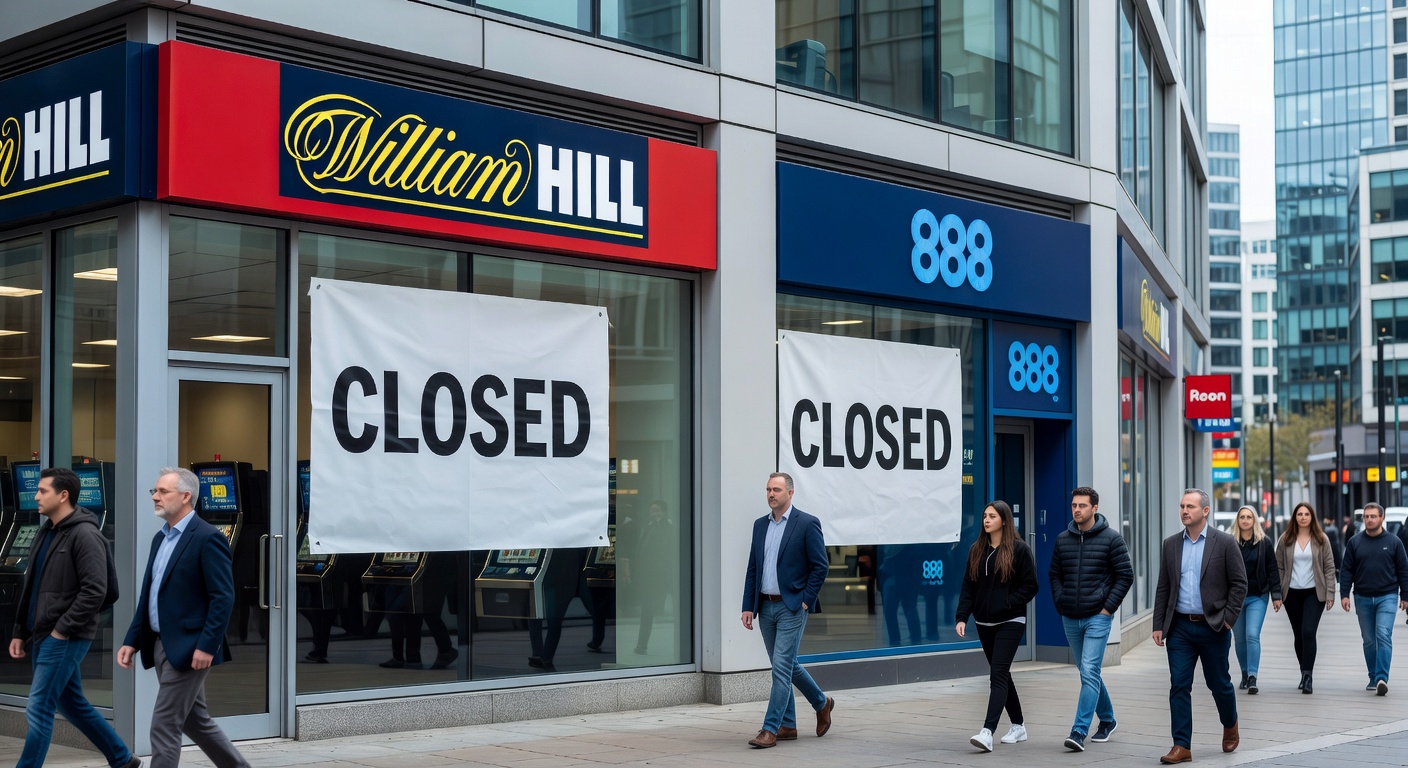
Shifting to physical locations, offline betting GGY fell 7% to £549 million; over-the-counter (OTC) wagers dropped 12%, while self-service betting terminals (SSTs) plunged 15%, reflecting fewer visits or smaller average bets in high streets across the UK. People who've studied shop footfall patterns observe how these venues, once buzzing with match-day crowds, now grapple with digital migration, and the commission's data captures that transition vividly for Q4 2025.
OTC, that personal touch at the counter, saw sharper pain than machines in some views, but SSTs took the hardest knock overall; turns out, self-service options, designed for speed, couldn't offset broader trends like online convenience pulling punters away. Data indicates total offline shops contributed less to the pie, with £549 million underscoring a sector adapting—or struggling—to changing habits, especially as March 2026 brings fresh scrutiny to these enduring institutions.
What's interesting lies in the split: OTC at a 12% decline signals fewer face-to-face interactions, whereas SSTs' 15% drop hints at tech not fully compensating; observers note how economic pressures or event calendars might factor in, although the report sticks to raw operator-submitted metrics without speculating on causes.
Online Slots Spin Up Amid the Downturn
Contrast those drops with online slots, where GGY climbed 10% to £788 million; rising spins and active accounts fueled this uptick, as players dove deeper into digital reels despite softer sports betting. The commission's overview shows how slots, with their constant action, drew more engagement, boosting yields through higher volume rather than bigger individual stakes.
Active accounts swelled in this vertical, and session spins increased notably; one dataset point reveals players averaging more playtime here, turning slots into the quarter's standout performer while real events faltered. Researchers digging into the numbers find this divergence noteworthy, since slots now represent a larger slice of online GGY, and with £788 million on the board, they offset some of the betting losses.
So, while total online dipped to £1.5 billion, slots' 10% gain—driven by those metrics—highlights product resilience; it's not rocket science that quick, accessible games pull crowds when live events wane, and the data backs that with concrete spins and account growth figures. Those who've analyzed past overviews know slots often surge post-major sports seasons, and Q4 2025 fits that mold perfectly.
Safer Gambling Measures Show Positive Signs
Fewer Long Sessions, Steady Progress
Safer gambling metrics offered brighter notes, with fewer prolonged sessions across online play; the commission tracked reductions in extended engagements, particularly in slots and betting, as tools like session reminders and deposit limits took hold among operators. Data from December 2025 reveals long sessions—those over an hour—dropped in incidence, although exact percentages tie back to operator compliance and player uptake.
Experts monitoring these trends point to industry-wide implementations, such as mandatory checks and friction features, yielding tangible drops in marathon plays; turns out, while GGY fluctuated, player protection efforts registered gains, with slots showing particular improvement despite their yield rise. And in offline realms, similar measures at SSTs and counters contributed to the overall safer environment, per the report's breakdowns.
One case where this shines: rising active accounts in slots didn't translate to unchecked long sessions, since safeguards curbed extremes; observers in March 2026 highlight how these stats validate regulatory pushes, balancing commercial yields with responsibility, and the commission's data serves as the scorecard for that ongoing effort.
Breaking Down the Broader Market Picture
Total GGY across online and offline hovered around key benchmarks, but the 2% online dip to £1.5 billion, coupled with offline's 7% to £549 million, paints a market in flux; real event betting's 18% fall to £530 million acted as the anchor dragging sentiment, yet slots' ascent to £788 million softened the blow considerably. Figures from operators, compiled and released in February 2026, allow stakeholders to dissect these shifts granularly, from spins to shop terminals.
Now, consider the channels: online's dominance grows clearer, with slots leading charges while betting cools; offline, that 12% OTC and 15% SST decline signals high-street challenges, and safer gambling's fewer long sessions add a layer of measured optimism. People analyzing the full market overview note how Q4 encapsulated post-peak adjustments after busy autumn events.
But here's where it gets interesting: active accounts rose in slots, spins ticked up, contrasting betting's yield evaporation; the reality is, punters migrated within platforms, favoring games over gambles on outcomes, and the commission's operator data captures that pivot without ambiguity. Those who've followed annual cycles see echoes of past winters, albeit with enhanced safety nets now standard.
Take a hypothetical shop-goer from prior data points: they might've favored OTC for football slips, but now SSTs or apps dominate, explaining the splits; or online users, spinning more slots amid fewer event bets, as evidenced by the 10% GGY bump. It's noteworthy that total online held at £1.5 billion despite headwinds, showcasing sector adaptability.
Key Takeaways and Forward Glance
In wrapping up the commission's Q4 2025 release, the 2% online GGY decline to £1.5 billion stems from real event betting's 18% drop to £530 million, offline mirrors that with a 7% fall to £549 million—OTC down 12%, SSTs 15%—while slots surged 10% to £788 million on higher spins and accounts; safer gambling wins fewer long sessions across the board. Data underscores a market tilting digital and game-focused, with protections gaining ground.
As March 2026 unfolds, these figures from operator submissions guide operators and regulators alike, highlighting where yields contract and expand; the writing's on the wall for betting's softness, yet slots' strength and safety strides offer counterbalance. Observers await Q1 updates, but for now, the overview stands as a factual benchmark of the UK's gambling landscape through year's end.