UK Punters Chase New Thrills: Surging Trends and Headlines Reshaping the Betting Landscape
UK Gambling Industry Braces for 40% Online Casino Tax Hike as Black Market Warnings Escalate

The Budget Move That's Shaking Up Remote Gaming
Britain's gambling sector confronts fresh uncertainty after Chancellor Rachel Reeves unveiled a steep rise in the Remote Gaming Duty on online casino revenue, jumping from 21% to 40% effective April 1, 2026, as part of her Autumn Budget; this change targets the thriving digital casino market, where operators now face significantly higher tax burdens that could reshape how players engage with licensed platforms. Data from the industry report underscores how such fiscal shifts often prompt immediate reactions from stakeholders, with licensed firms warning that the increased levy might push revenue streams toward unregulated alternatives. And while the government aims to bolster public funds through this adjustment, those in the sector point to potential unintended consequences, like accelerated migration to offshore sites that dodge taxes altogether.
Turns out, this isn't just a number tweak; the 40% rate applies specifically to online casino gross gaming revenue, leaving other betting categories like sportsbooks under different duties, yet experts note how interconnected these markets remain, since many players mix casino games with sports wagers on the same apps. Observers have watched similar tax hikes in other regions lead to compliance challenges, but here's where it gets interesting for the UK: the timing aligns with broader regulatory pushes, amplifying pressures on operators already navigating affordability checks and stake limits.
Betting and Gaming Council Sounds the Alarm
The Betting and Gaming Council (BGC) leads the charge against these developments, highlighting how billions already flow into unregulated sites that promise better odds without the weight of taxes or oversight; according to their analysis, customers increasingly turn to these black market platforms, drawn by promotional edges that licensed operators can't match under the new fiscal reality. BGC chief executive Grainne Hurst has voiced these concerns publicly, emphasizing that the tax surge risks driving even more activity underground, where players lack protections against fraud or addiction issues that regulated firms must address.
But it's not just rhetoric; figures reveal substantial stakes on illegal platforms, with the BGC estimating billions wagered annually in this shadow economy, a trend that could worsen post-April 2026 when the duty kicks in fully. Take one recent BGC statement titled "April Fools? There’s nothing funny about billions being staked on the black market," where leaders detail how unlicensed operators exploit tax disparities to lure punters, offering returns that feel too good to ignore; this dynamic, they argue, erodes the competitive landscape for lawful businesses committed to safer gambling standards.
What's significant here involves the ripple effects: as licensed sites absorb the 40% hit, margins shrink, prompting cost-cutting measures that hit frontline operations hardest, although the BGC stresses that innovation in player protection remains a priority even amid financial squeezes.
Expert Voices and Black Market Momentum
Industry expert Dan Waugh echoes these sentiments, pointing out how the tax increase compounds existing strains from proposed Financial Risk Assessments, tools designed to flag high-risk players but which operators say add operational burdens without curbing underground appeal. Researchers who've tracked gambling flows note that black market sites thrive on anonymity and lax rules, pulling in users frustrated by tighter UK regulations like session limits or deposit caps; data indicates billions staked there already, with projections suggesting acceleration once the 40% duty lands in spring 2026.
So why does this matter now? Licensed operators provide verified age checks, dispute resolution, and contributions to problem gambling funds, features absent from offshore rivals that often operate from jurisdictions with minimal player safeguards; yet punters chasing value might overlook these gaps, especially when black market odds undercut taxed platforms by wide margins. One case observers highlight involves European markets where similar hikes correlated with a 15-20% uptick in illegal betting traffic within the first year, although UK specifics could vary given the Gambling Commission's robust enforcement history.
And while enforcement teams pursue rogue operators, the sheer volume of unregulated apps makes total containment tricky; that's where the rubber meets the road for policymakers balancing revenue goals against market integrity.
Financial Pressures Lead to Real-World Impacts
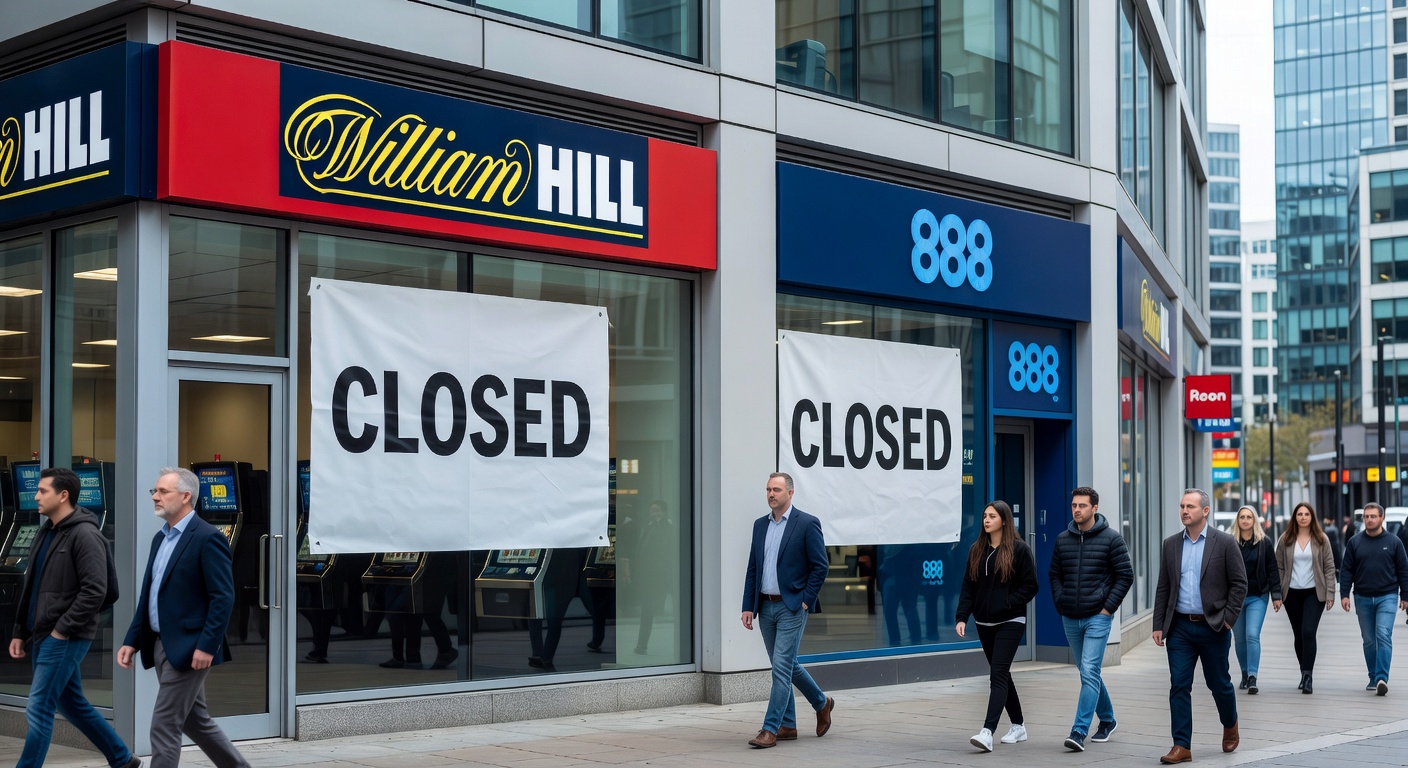
Financial strains from the impending tax rise already manifest in measures like betting shop closures, as land-based venues grapple with spillover effects from online shifts; the BGC reports how online casino revenue, now facing 40%, forms a critical pillar for many groups that cross-subsidize high-street presence with digital profits. Closures accelerate when margins evaporate, leaving communities without local access points that double as social hubs for casual bettors who prefer in-person vibes over app interfaces.
People who've studied these patterns often discover that tax-driven consolidations favor giants over smaller firms, potentially reducing competition and innovation in product offerings; although mergers provide scale to weather the storm, they also concentrate power, altering the diverse ecosystem that defines British gambling. Now, with April 1, 2026, on the horizon, firms adjust pricing models and bonuses carefully, mindful of advertising rules that limit how they attract or retain players amid the fiscal clampdown.
It's noteworthy that sports betting duties remain unchanged at lower rates, creating uneven terrain where casino-heavy operators bear the brunt, while hybrid firms pivot toward less-taxed verticals; this segmentation, experts observe, fuels strategic overhauls but risks fragmenting customer loyalty across regulated channels.
Layered Regulations Add to the Mix
Compounding the tax hike, proposed Financial Risk Assessments require operators to evaluate customer vulnerabilities more rigorously, involving data analytics that flag patterns like rapid deposits or loss chasing; while aimed at harm reduction, implementation costs rise alongside the 40% duty, stretching resources thin for compliance teams already stretched by safer gambling mandates. Studies found that such assessments, when rolled out elsewhere, improved detection rates by up to 25%, yet UK trials reveal teething issues around data privacy and false positives that frustrate low-risk users.
But here's the thing: black market sites sidestep these entirely, offering seamless play without interruptions, which draws in exactly the demographics regulators seek to protect; observers note how this irony plays out, with licensed firms investing heavily in tech that unlicensed rivals exploit as a selling point for simplicity. And since the Autumn Budget ties these elements together, the sector anticipates a pivotal 2026 where adaptation determines survival.
Those tracking enforcement metrics point to Gambling Commission efforts ramping up against illegal operators, including site blocks and payment disruptions, although tech-savvy black markets evolve quickly, mirroring arms races seen in other regulated industries like streaming or fintech.
Conclusion
The Remote Gaming Duty's climb to 40% on online casino revenue, set for April 1, 2026, marks a defining moment for Britain's gambling landscape, as BGC warnings of black market billions underscore risks to licensed operations and player safety alike; industry leaders like Grainne Hurst and Dan Waugh highlight how unregulated sites lure stakes with untaxed odds, while financial strains prompt closures and strategic shifts amid Financial Risk Assessments. Data from key reports paints a clear picture of challenges ahead, where balancing fiscal aims with market health demands close scrutiny; ultimately, stakeholders watch how these changes unfold, with enforcement and innovation likely shaping the path forward in this high-stakes arena.