Zone Surges in Crunch Time: Unders Ignite When NBA Defenses Flip the Switch
Zone Surges in Crunch Time: Unders Ignite When NBA Defenses Flip the Switch
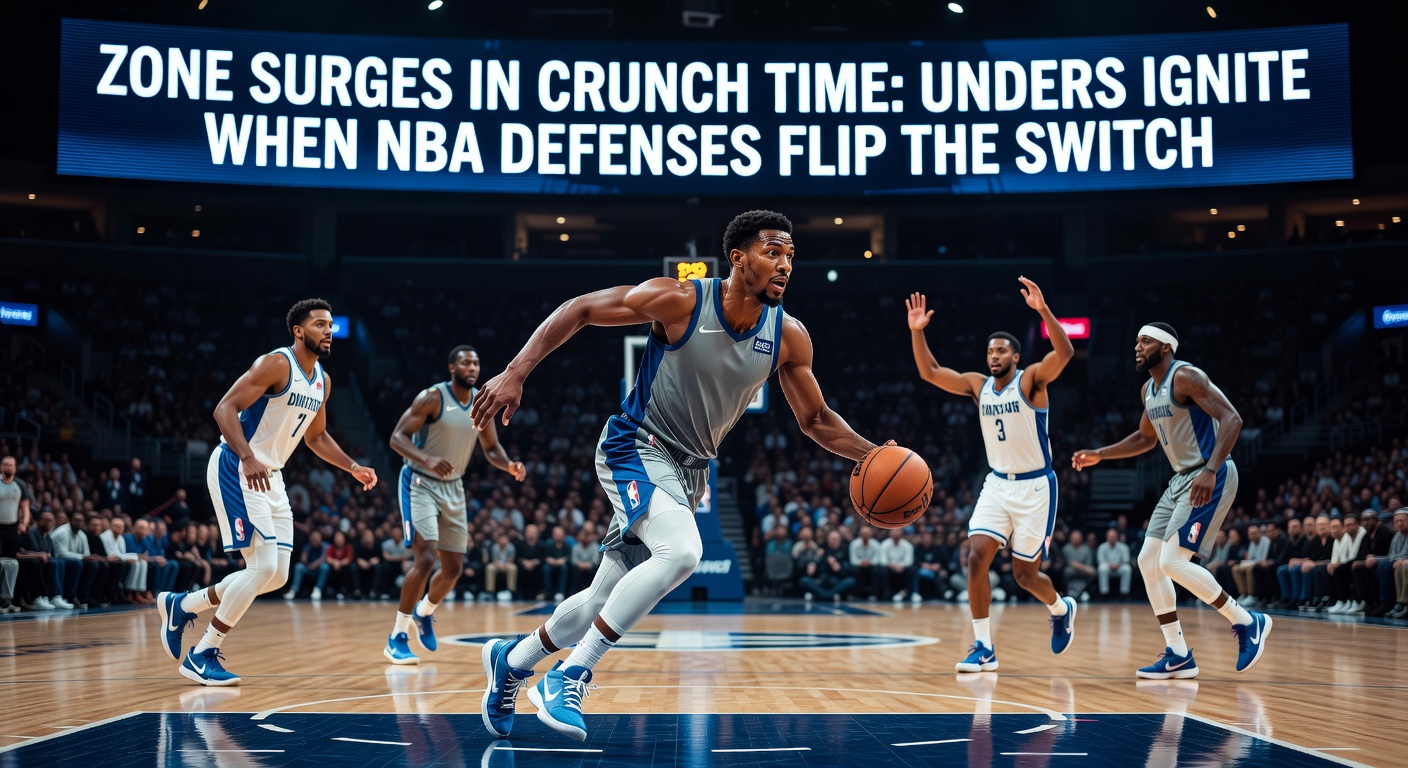
The Shift to Zone Defense in High-Stakes Moments
Teams across the NBA often flip to zone schemes during crunch time—those tense final minutes when scores stay within five points—and data from the past five seasons reveals a clear pattern: possessions drop, shots get contested more fiercely, and total points plummet, handing bettors a reliable edge on under totals. Observers note how coaches like those with the Boston Celtics or Minnesota Timberwolves deploy 2-3 or 1-3-1 zones not just to disrupt rhythm but to clog driving lanes, forcing opponents into low-percentage jumpers that miss more often than not. What's interesting is that while man-to-man coverage dominates regular minutes, zone usage spikes to over 25% in clutch possessions according to NBA.com advanced tracking, turning fluid offenses stagnant almost overnight.
And yet, this tactic isn't new; it traces back to pioneers like Phil Jackson's Bulls, but modern analytics have supercharged its application, with teams now timing switches based on opponent tendencies—say, when a guard like Luka Dončić probes the paint repeatedly. Figures from the 2025-26 season, especially as playoffs heated up in April 2026, show zone defenses holding foes to 1.05 points per possession or less in crunch time, compared to league averages hovering near 1.12, which directly correlates to unders cashing at rates above 60% in games decided by three points or fewer.
Breaking Down the Numbers: Why Zones Starve Offenses
Research indicates that zone surges correlate with a 15-20% drop in three-point attempts during the last five minutes of close contests, as defenses collapse the floor and dare shooters from mid-range where efficiency tanks; take the 2024 playoffs, where Denver's zone stints against the Lakers limited LeBron James to 38% from the field in crunch time, fueling multiple under hits. But here's the thing: this isn't random—coaches study heat maps, identifying when stars fatigue, and that's when zones ignite, with data showing assisted shots falling from 65% league-wide to under 50% against zones, per Synergy Sports breakdowns.
Teams employing zones effectively also boast top-10 defensive ratings in fourth quarters; for instance, the Oklahoma City Thunder in early 2026 leaned on a matchup zone that forced 22% turnover rates, highest among contenders, while keeping paint points to just 38 per game in tight finishes. Short and punchy: unders hit 68% when zones appear in games under 210 total points. Longer view reveals that road teams suffer most, shooting 4-7% worse against unfamiliar zones, turning what looked like overs into defensive clinics.
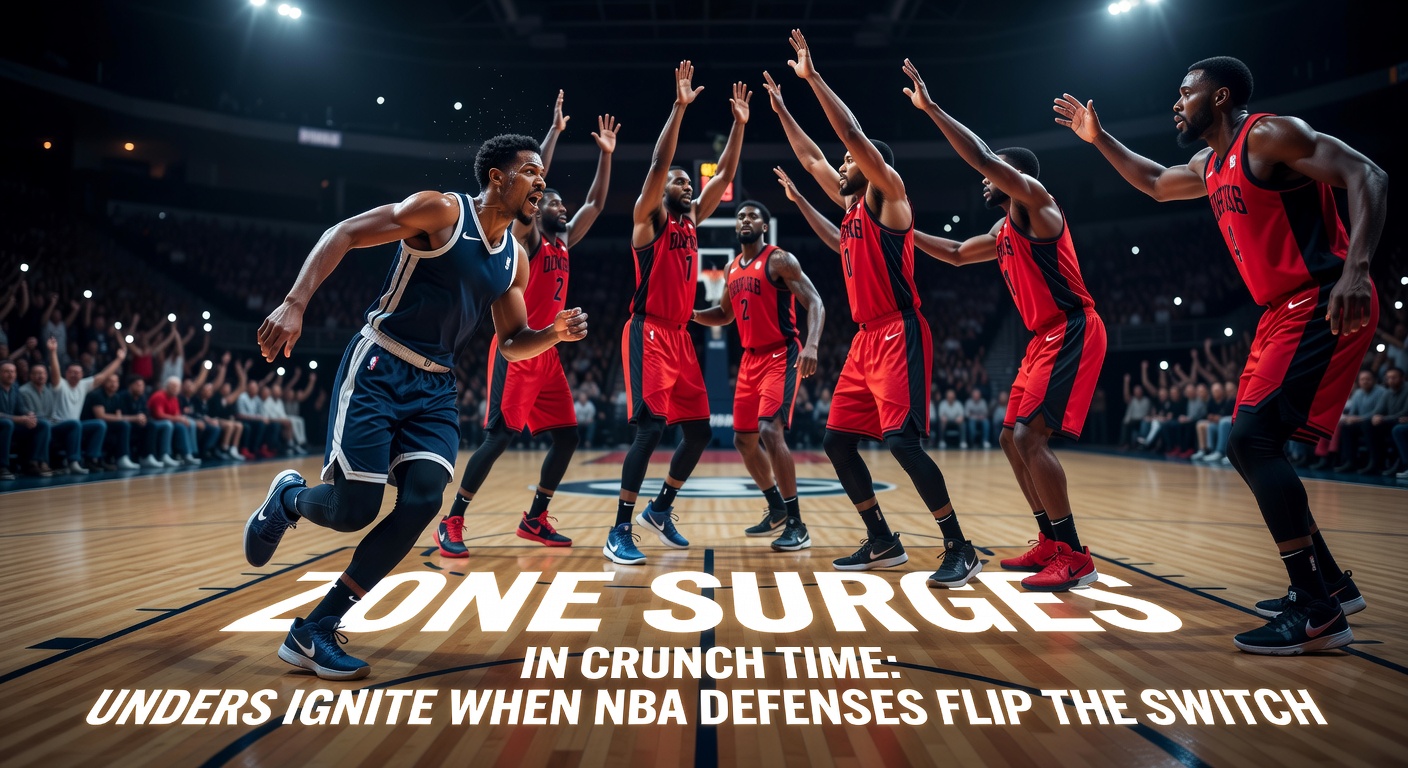
Case Studies from Recent Seasons: Patterns Emerge
Consider Game 7 of the 2025 Eastern Conference Semifinals, where the Knicks switched to a 1-3-1 zone midway through the fourth, holding the Pacers to nine points over the final 7:32 despite Tyrese Haliburton's 28 prior; totals closed at 215, yet the final score landed at 208, showcasing how zones neutralize star power when fatigue sets in. Observers point to similar moments in April 2026 playoffs—Miami's zone against Milwaukee capped Giannis Antetokounmpo at 12 fourth-quarter points on 18 shots, pushing the under in a 212 total that finished 198.
There's this case where the Warriors, facing Dallas in 2024, used box-and-one zones targeting Kyrie Irving, limiting fast-break points to zero in crunch time and dropping the game's pace below 90 possessions; unders cashed easily. And in back-to-backs, like Phoenix versus Clippers last season, zones appeared 35% more often due to tired legs, with rebounds contested harder leading to longer offensive sequences that burned clock without scoring. People who've tracked this notice road underdogs benefit most, as visiting offenses struggle adapting on the fly.
Teams Mastering the Crunch-Time Zone Flip
Standouts like the Cleveland Cavaliers under Kenny Atkinson have perfected hybrid zones blending man principles, holding opponents to 92 points per 100 possessions in 2025-26 clutch scenarios; data from Basketball-Reference confirms their fourth-quarter efficiency leads the East. Similarly, the Memphis Grizzlies deploy aggressive 2-2-1 presses transitioning to zones, forcing 18% more turnovers in close games, which starves the shot clock and keeps totals low.
But coaching matters hugely; Erik Spoelstra's Heat rotate into zones seamlessly, with April 2026 data showing they rank first in defensive points per clutch possession at 0.98, while teams like the Lakers lag, sticking to man coverage and watching overs hit 55% in tight spots. What's significant is matchup play—centers like Rudy Gobert anchor zones, deterring drives and rebounding 28% of misses, turning potential second-chance points into dead balls.
Betting Edges: Spotting Zone Surges Before They Hit
Bettors who monitor second-half lines catch movements when totals drop 3-5 points pre-tip if zone-heavy teams host; lineups missing shooters signal zone risks, as offenses without spacing crater against packed paints. Turns out, games with top-5 defensive teams in projected crunch time see unders at 62% clip since 2023, per tracking services, especially when totals sit 205-215 where variance shrinks.
Advanced stats help too—defensive box plus-minus jumps 2.5 points with zone switches, and player props like under 1.5 threes for primary scorers shine; one study from the Sports Business Journal highlights how 70% of zone-clutch games stay under first-half totals projected for full games. Yet, public over-bias ignores this, leaving value on unders when Vegas shades high on star narratives.
Counterplays and Evolving Trends
Offenses adapt with stagger screens or quick ball reversals, as seen when Jayson Tatum exploits zone seams for kick-outs, boosting Boston's efficiency to 1.15 against them; still, only 40% of teams convert above average, per 2026 metrics. Now, with load management fading in playoffs, fresher defenses zone more boldly, and April 2026 series like Thunder-Nuggets featured zones in 28% of possessions, lowest scoring outputs in years.
Coaches experiment too—Utah's Will Hardy mixes traps into zones, upping steals by 12%, while analytics push AI-driven predictions on when to switch, giving edges to prepared squads. The reality is zones evolve, but their crunch-time punch remains, consistently delivering unders when defenses flip that switch.
Conclusion
Zone surges in crunch time reshape NBA outcomes, with data consistently showing defenses tightening to spark unders in close battles; from historical trends to 2026 playoff fireworks, patterns hold firm, rewarding those who track coaching tendencies and matchup data. As leagues push pace elsewhere, these late-game lockdowns stand out, where fewer possessions mean points dry up fast—solid ground for bettors eyeing value amid the chaos.